
What Does a Commercial Roof Drain Do, and How Do You Choose One?
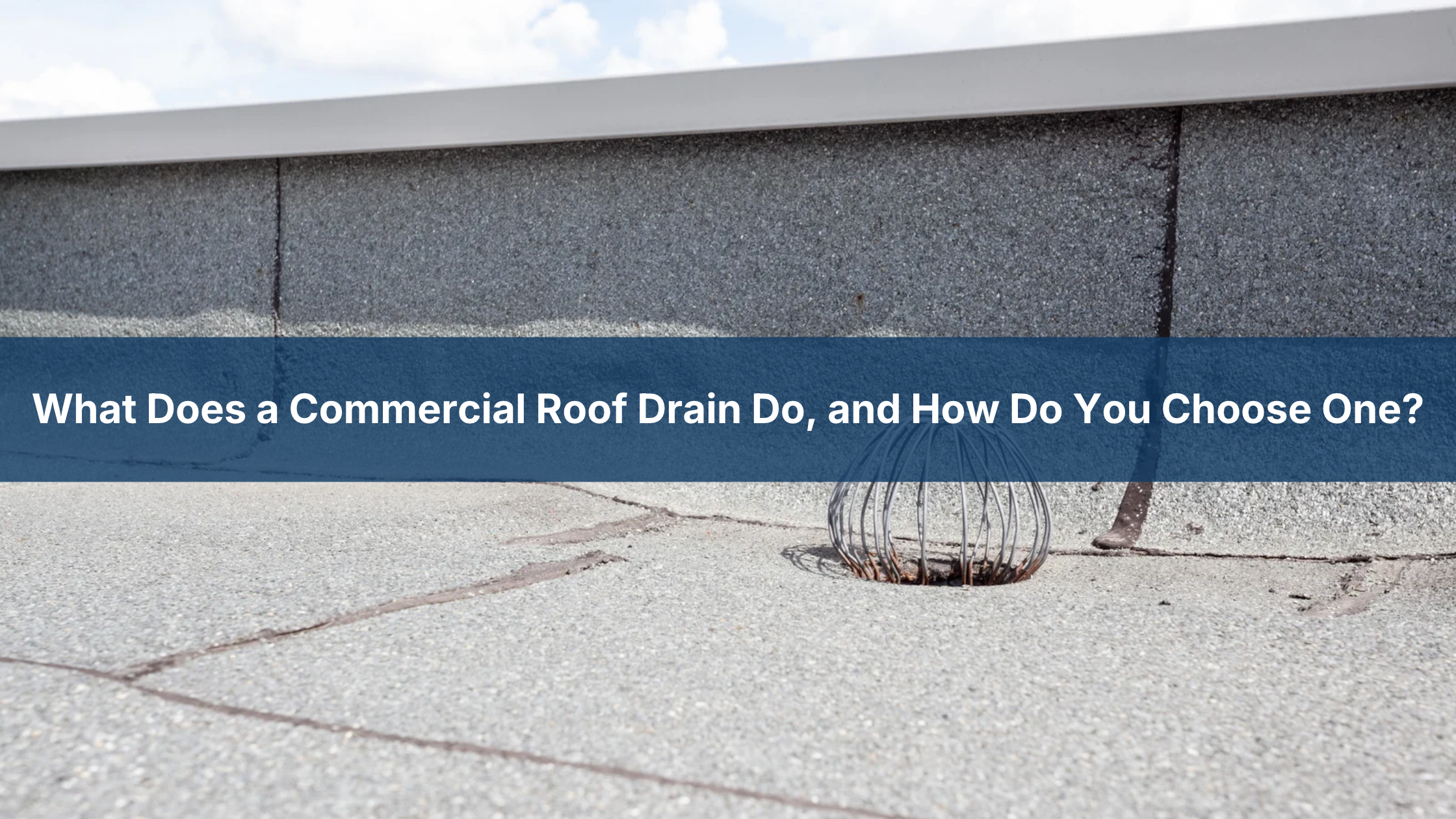
A commercial roof drain plays an essential role in protecting buildings from water accumulation and potential structural damage. Designed for flat and low-slope roofs, these drainage fixtures collect rainwater and direct it into the building's drainage system.
Choosing the right roof drain depends on roof construction, pipe size, drainage requirements, and overflow protection.
How Does a Commercial Roof Drain Work?
Commercial roof drains are installed at low points on rooftops, allowing rainwater to flow into the building's storm drainage system.
A typical roof drain consists of several components:
Dome: Prevents leaves, gravel, and debris from entering the drainage pipe while allowing water to pass through.
Drain Body: Collects rainwater and directs it into connected drainage piping.
Receiver Pan: Helps collect water around the roofing membrane and guide it toward the drain.
Under-Deck Clamp: Secures the drain assembly to the roof structure for stability.
Plastic Oddities offers commercial roof drains in 3-inch, 4-inch, and 6-inch configurations, with plastic, aluminum, and cast iron dome options to accommodate different roofing applications.
Primary Roof Drain vs. Overflow Roof Drain
Understanding the difference between primary and overflow roof drains is important for effective rooftop drainage.
Primary Roof Drain
A primary roof drain removes rainwater during normal weather conditions, preventing excessive water accumulation on the roof.
Overflow Roof Drain
An overflow roof drain provides secondary drainage when the primary system becomes blocked or overwhelmed.
Plastic Oddities offers overflow roof drains featuring a water dam that allows excess water to enter the secondary drainage system once it reaches a designated level.
Proper overflow drainage helps reduce the risk of excessive ponding and potential structural damage.
How to Choose the Right Commercial Roof Drain
Selecting the appropriate drainage fixture requires evaluating several factors.
1. Verify Pipe Size and Connection
Check the existing pipe size before purchasing. Plastic Oddities manufactures roof drains designed for specific Schedule 40 DWV pipe connections, including over-pipe and inside-pipe configurations.
2. Consider Roof Construction
Different roofing membranes require different installation components. Determine whether your project needs a receiver pan, an under-deck clamp, or both.
3. Evaluate Overflow Protection
Commercial buildings may require secondary drainage systems to manage excess rainfall. Review applicable building codes and project specifications before selecting an overflow drain.
4. Choose the Right Dome Material
Plastic, aluminum, and cast iron domes offer different durability characteristics. Select a material based on environmental exposure, expected debris, and project requirements.
5. Determine Drainage Capacity
Roof area, slope, rainfall intensity, and drainage design influence the required number and placement of roof drains. Consult a qualified professional to ensure proper sizing.
Installation and Maintenance Tips
Regular maintenance helps commercial roof drainage systems operate efficiently.
Proper installation and preventive maintenance can extend drain service life and minimize costly water damage.
Find Reliable Commercial Roof Drain Solutions
Selecting the right commercial roof drain helps maintain effective water management and protect your building.
Plastic Oddities provides roof drains, overflow drains, and drainage components designed for various commercial roofing applications.
Explore available products at PlasticOddities.com or contact Plastic Oddities for assistance choosing the appropriate roof drainage solution for your project.